

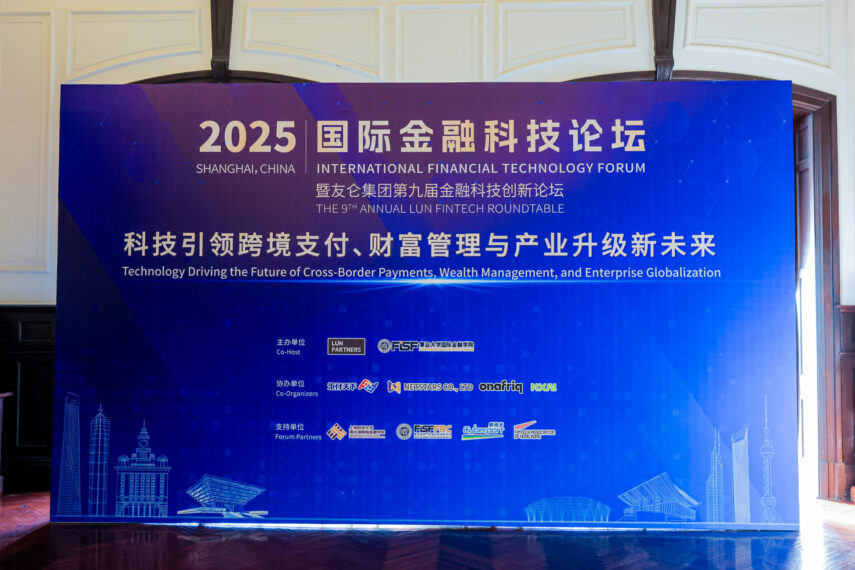
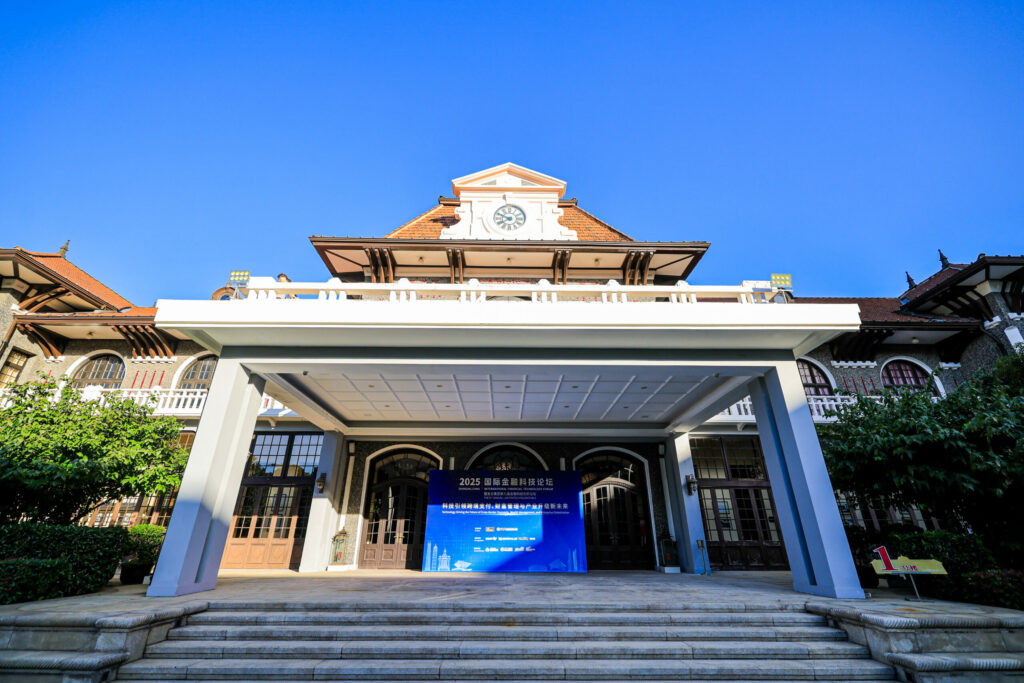
On November 13th, the 2025 International Financial Technology Forum and the 9th Annual LUN FinTech Roundtable was successfully held at Shanghai Science Hall in Shanghai, China.
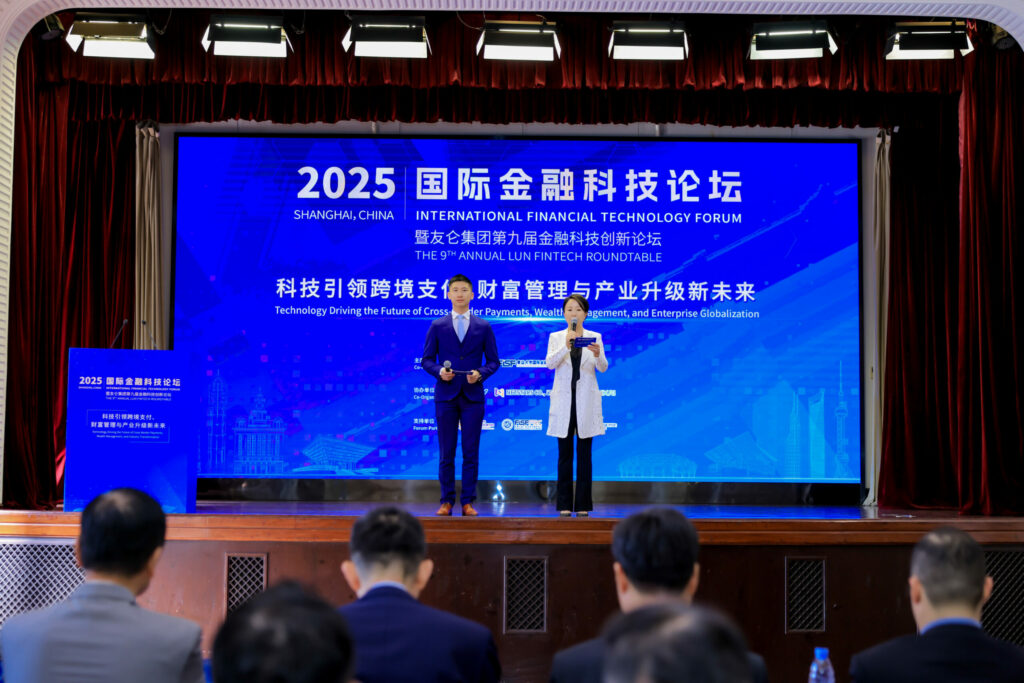
This year’s forum was co-hosted by LUN Partners Group and Fudan International School of Finance, with co-organizers Huifu Payment, NETSTARS, Onafriq and NXAI, and forum partners Dishui Lake Advanced Finance Institute, Shanghai University of Finance and Economics, Hong Kong Cyberport, and FinTech Association of Hong Kong. The forum brought together global strategic partners, industry experts, and portfolio company founders to exchange insights on “Technology Driving the Future of Cross-Border Payments, Wealth Management, and Industry Transformation”. The forum focused on three core topics – Cross-border Payments, Digital Assets and Artificial Intelligence – highlighting the critical role of technology in reshaping global value chains and driving industrial digital transformation.

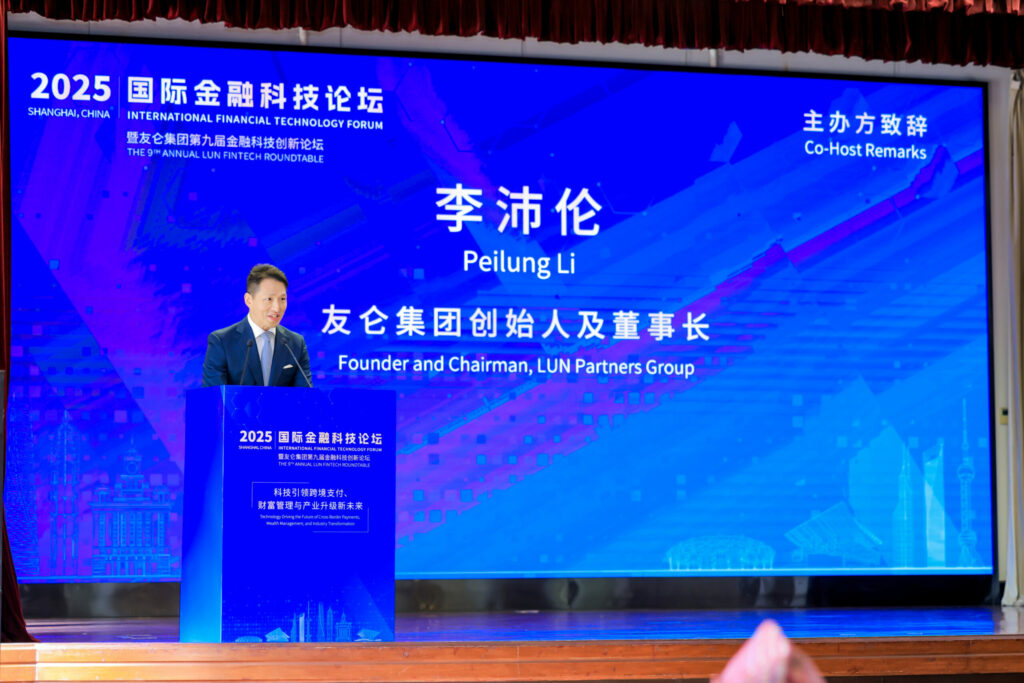
Mr. Peilung Li, Founder and Chairman of LUN Partners Group, delivered the opening remarks for the forum. He looked back on the Forums held in previous years and expressed that the origination and the persistence in holding the Forum for nine consecutive years was to build a platform where our portfolio companies and partners around the world could come together to communicate and exchange ideas, thereby fostering collaboration and innovation.
Referring to this year’s three core topics, Mr. Li shared his observations on key trends taking place around the world and the development opportunities that come along,
1. While deglobalization and rising trade protectionism have brought challenges to global trade, it also creates opportunities for cross-border finance innovation, entailing next-generation efficient, low-cost, and fully compliant cross-border payment infrastructure to reconnect the global economy.
2. Following the GENIUS Act, the digital asset market is at a pivotal turning point this year, transferring from unsupervised status to a more regulated development. Beyond digital assets, emerging foundational technologies such as blockchain and smart contracts will reshape financial services and asset management industry.
3. The emergence of OpenAI and DeepSeek has shown that AI is no longer just a concept. When fully integrated across the enterprise, AI not only enhances efficiency but also becomes a key growth engine for the next 10–20 years, transforming business models, driving industrial upgrading, and enabling global expansion.
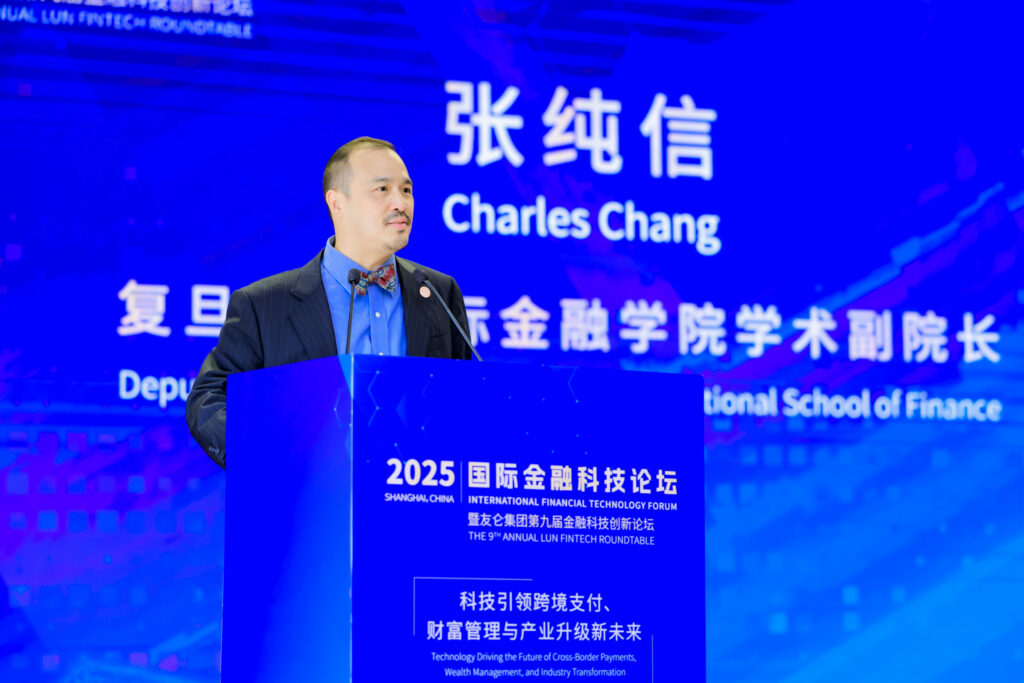
Prof. Charles Chang, Deputy Dean of Academics of Fudan International School of Finance, followed with a remark sharing his views on a future in which mobile payment, wealth management, and AI technologies converge into a single, integrated landscape. He emphasized the necessity for deep integration between industry and technology, close collaboration among academia, business and regulators to build a robust ecosystem.
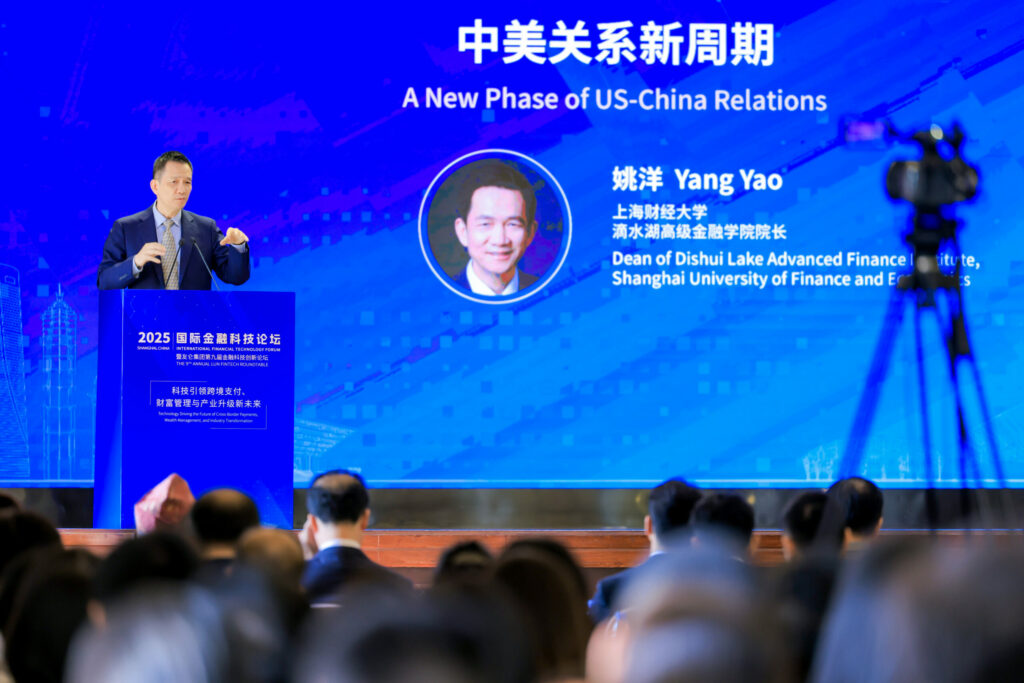
Prof. Yang Yao, Dean of Dishui Lake Advanced Finance Institute, Shanghai University of Finance and Economics, delivered the opening keynote speech on the “New Phase of US-China Relations”. He pointed out that over the past two decades, China has built substantial strength in research, industrial manufacturing, and frontier technologies. He stated that the China-US relationship is likely to transit from sharp confrontation to a more stable phase of managed competition around technology and industrial planning.
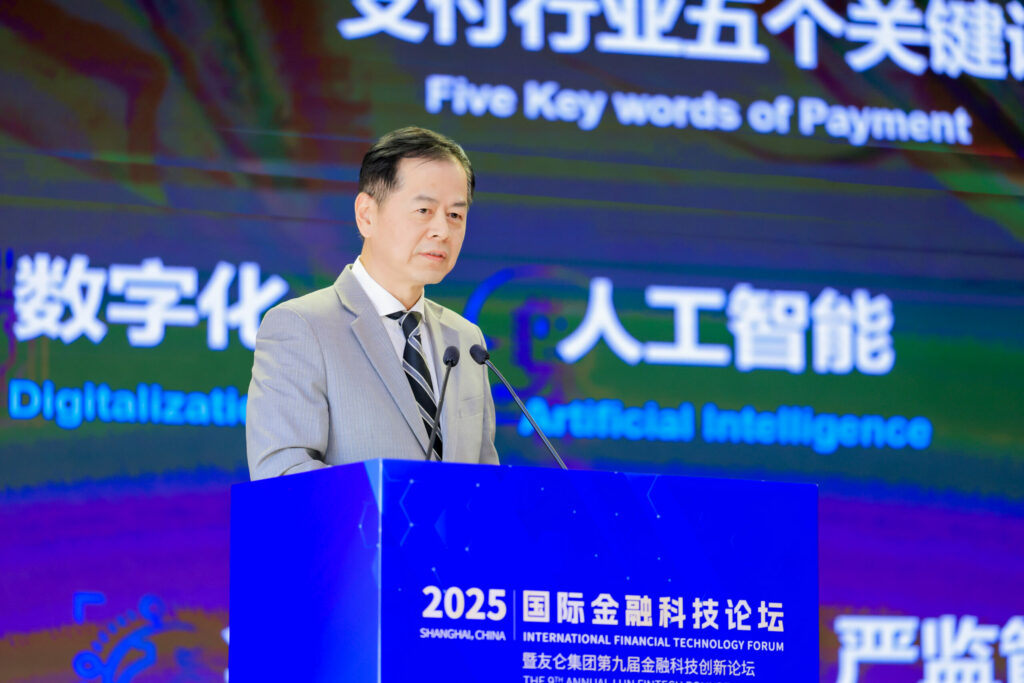
Dr. Jerry Zhou, Chairman and CEO of Huifu Payment, started the first topic Cross-border Payments with a keynote on “Seeing Today from Tomorrow’s Perspective: The Logic of Payment Transformation”. He noted that the payment players are facing transformation brought by digitalization, AI, blockchain, globalization, and regulation on payment tools, consumer interaction, software ecosystem, smart operation, and data integration. He believed that by adopting automation tools and digital processes, and connecting cross-border payment corridors, payment companies can better adapt to an increasingly fragmented geopolitical and regulatory landscape.
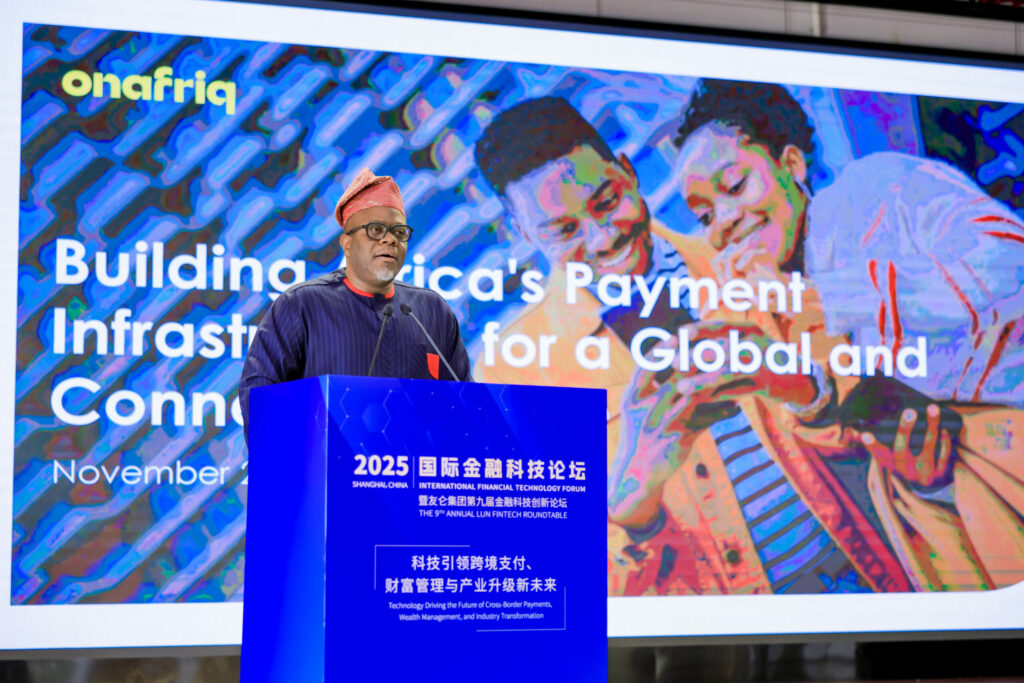
Mr. Dare Okoudjou, Founder and CEO of Onafriq, delivered a keynote on “Building Africa’s Payment Infrastructure for a Global and Connected Future”. He noted Onafriq’s mission is to build cross-border corridors spanning national, linguistic, and geographical boundaries, connecting more people and enabling secure transactions that foster shared prosperity. He stated the company’s vision to become the largest cross-border payment service provider in Africa in 5 years, by expanding and connecting payment networks, reinforcing compliance, and embracing Web3 technologies.
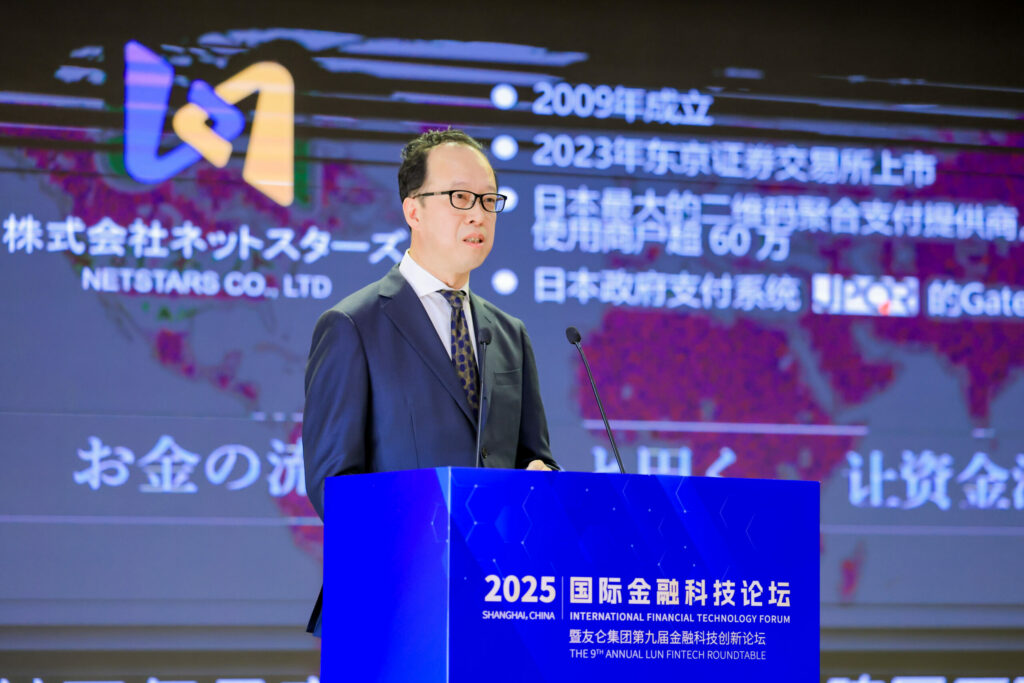
Mr. Tsuyoshi Ri, Founder and CEO of NETSTARS, delivered a keynote on “The Convergence of Traditional Payments and Digital Finance: The Dawn of the Web 2.5 Era”. He noted Web2 payments and remittances are embracing digital finance and evolving into value infrastructure underpinned by Web3 technologies. Looking ahead, he outlined four dimensions of integrating traditional payment into digital finance: settlement, assets, ecosystem, and regulation. He stated NETSTARS’ target and initiatives to upgrade its platform, supporting real-world use cases and contributing to the development of a more open, integrated, and trust-centric Web2.5 payment ecosystem.
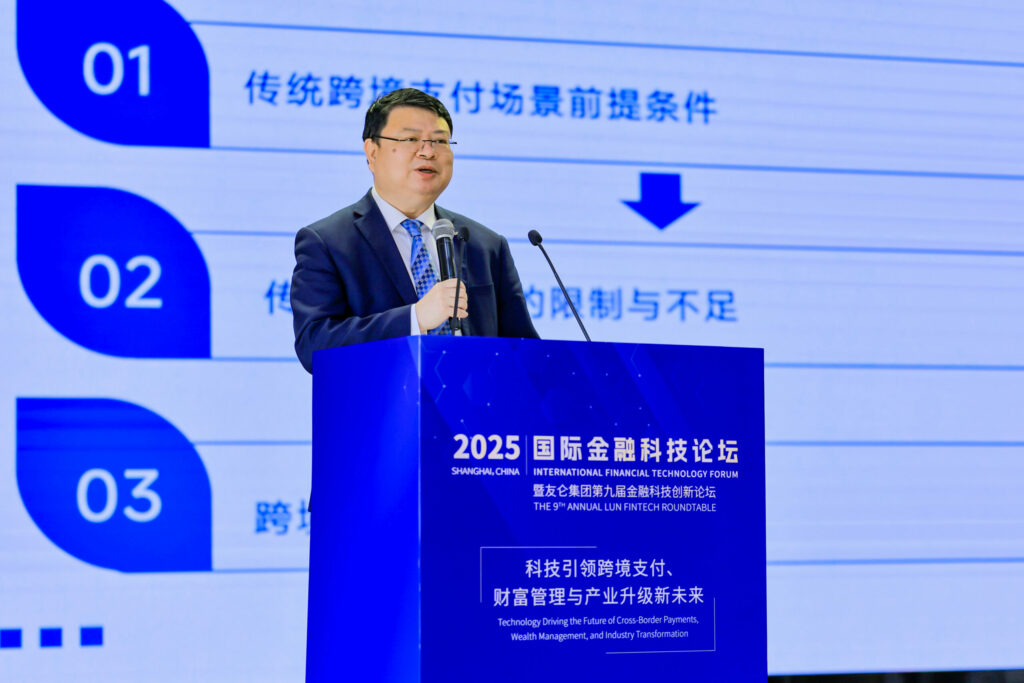
Mr. Jiantao Gong, General Manager of Cross-Border Finance Department at Shanghai Pudong Development Bank, delivered a keynote on “The Application of Cross-Border Payment Innovation in Commercial Banks”. He noted B2B cross-border payments are evolving with regulation innovation, FX business transformation, and treasury management. He highlighted that e-CNY, AI, blockchain, and instant remittance will lead the improvement in settlement efficiency, strengthen security and compliance, and thereby reshape cross-border payment.
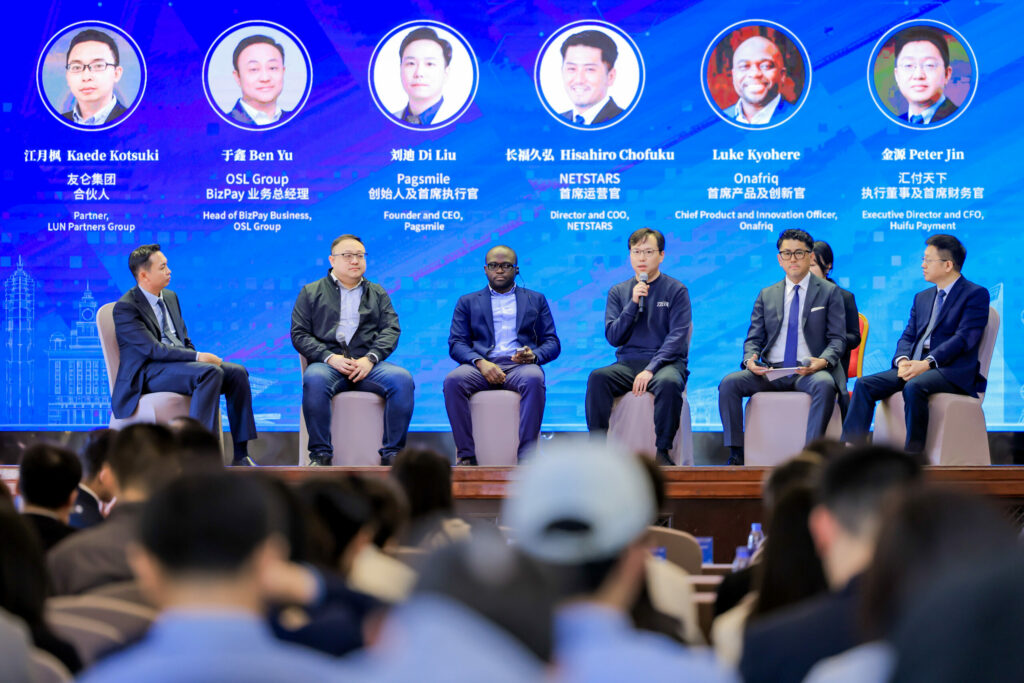
During the first Roundtable Discussion, Mr. Kaede Kotsuki, Partner of LUN Partners Group (moderator), Mr. Ben Yu, Head of BizPay Business of OSL Group, Mr. Luke Kyohere, Chief Product and Innovation Officer of Onafriq, Mr. Di Liu, Founder and CEO of Pagsmile, Mr. Hisahiro Chofuku, Director and COO of NETSTARS, and Mr. Peter Jin, Executive Director and CFO of Huifu Payment discussed on “Next Generation Technology Reshaping Cross-Border Payments”. They explored how emerging technologies are transforming payment ecosystem, and discussed integration with existing payment systems, localization in emerging markets, interoperability across jurisdictions, and the pathways for Chinese payment technologies to go global. The panelists agreed that the future of cross-border payments will rely not only on technological breakthroughs, but also on ensuring that innovation aligns with real-world use cases and local market conditions within a globally compliant framework.
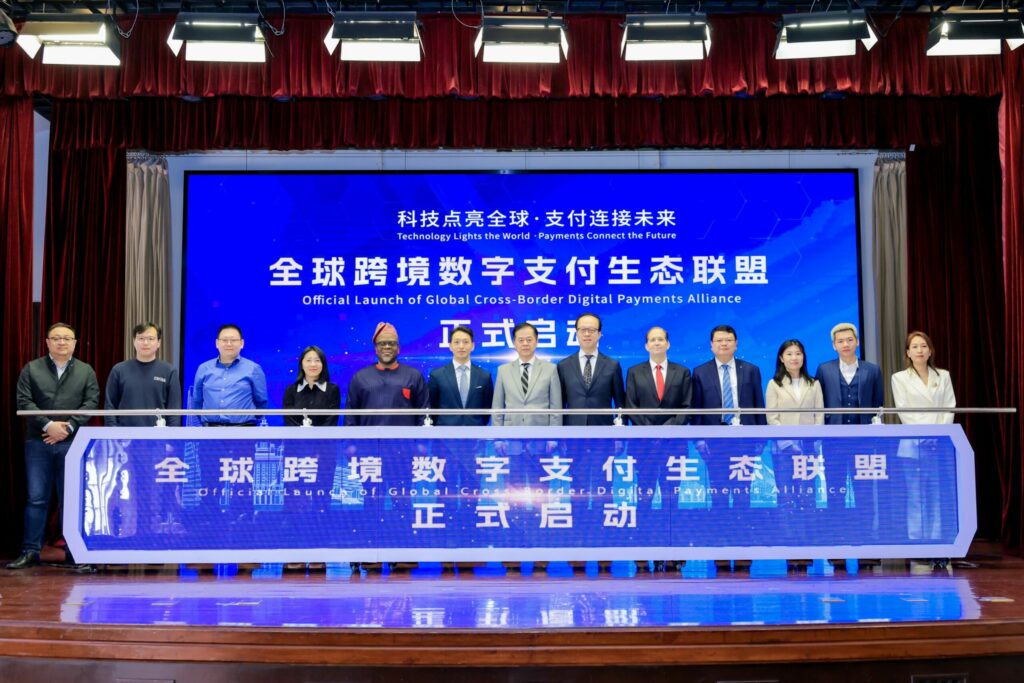
At the end of the morning session, the “Global Cross-Border Digital Payments Alliance” was officially launched, attracting widespread attention from the industry. The Alliance was jointly initiated by LUN Partners Group, Huifu Payment, NETSTARS and Onafriq, and joined by first cohort of participating institutions including Tradeshift, Shanghai Xforceplus Information Technology, Shanghai Pudong Development Bank, Platinum Analytics, Matrixport, Pagsmile, Waton Financial Holdings, OSL Group, and Finloop. The alliance aims to promote collaboration in cross-border payment technologies, application scenarios and financial infrastructures; strengthen the diversity of payment networks and multi-currency options; explore compliant and sustainable development paths; and build an international platform for exchange and cooperation. Dr. Jerry Zhou, Chairman and CEO of Huifu Payment, returned to the stage to deliver a speech on behalf of the Alliance founding members. He stated that the collaboration among global payment institutions is an inevitable trend and welcomed more institutions to join in creating a strong, collaborative payments ecosystem.
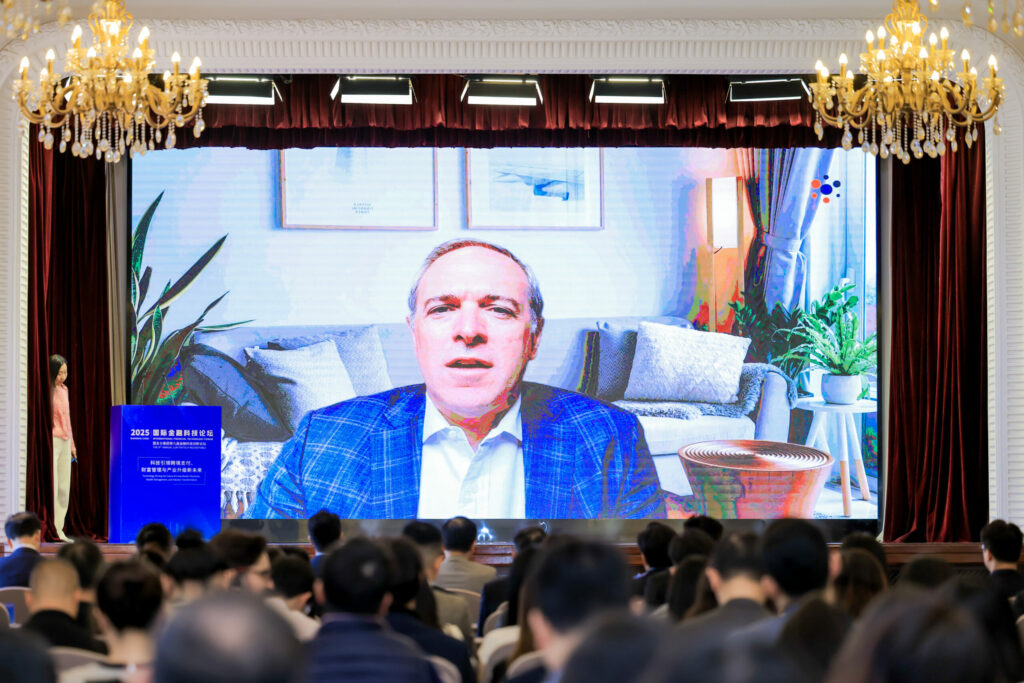
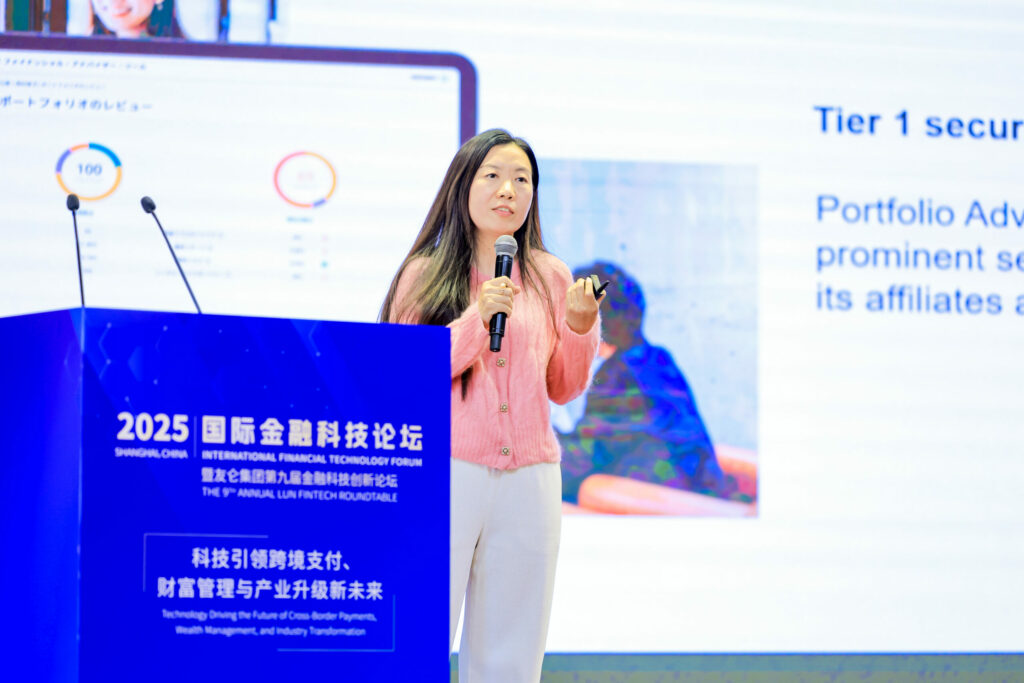
For the first topic in afternoon session on Digital Assets, Dr. Alex Ypsilanti, Founder and CEO of Quantifeed, and Ms. Joy Sun, Head of Quantitative Engineering of Quantifeed, jointly delivered the first keynote on “The Future of Wealth Personalisation, Engagement, and AI at Scale”. Dr. Ypsilanti noted that as digitalization and AI transforms wealth management, Quantifeed designs personalized solutions based on risk and behavior, enabling end users to access a wider alternative and diverse asset management solution. Ms. Joy Sun added that Quantifeed’s infrastructure platform, which provides smart and compliant tools, is shifting the wealth management dynamic from one-off, opportunistic investment towards holistic, portfolio-level management.
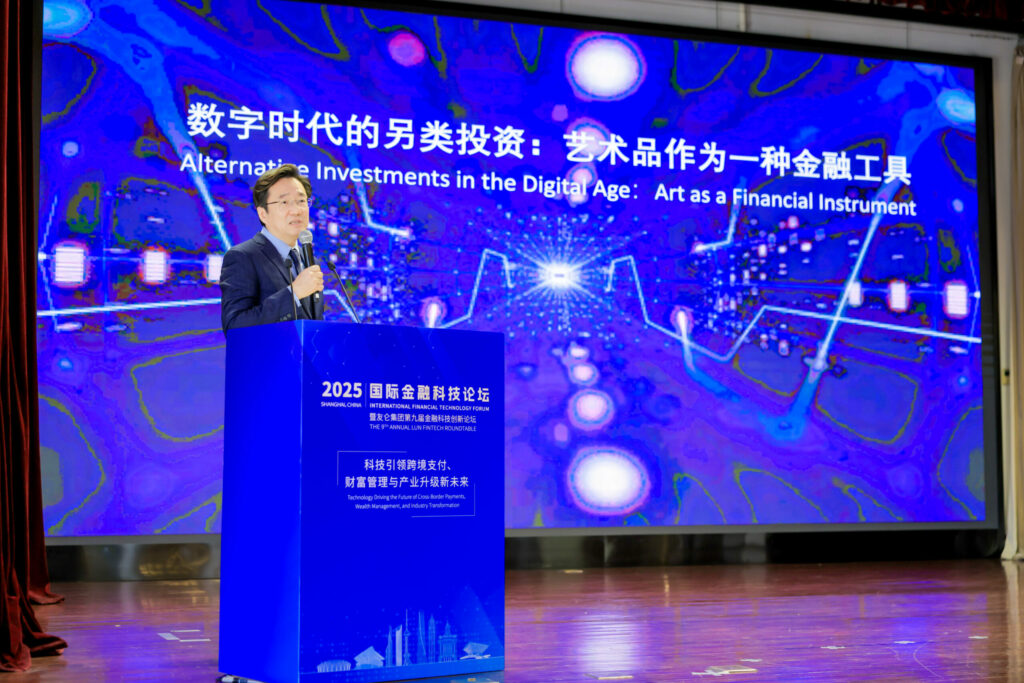
Prof. Terry Huang, Professor of Finance of Fudan International School of Finance and Senior Partner of Motif Art Group delivered a keynote on “Alternative Investments in the Digital Age: Art as a Financial Instrument”. He noted that artworks, with their low correlation to traditional assets, have consistently shown strong resilience during market downturns, and delivered long-term return outperforming stock market and real estate. Prof. Huang highlighted AI-generated art, NFTs, and fractional ownership, as emerging formats, are reshaping art transaction model, and making artwork an increasingly weighted component of diversified wealth management portfolios.
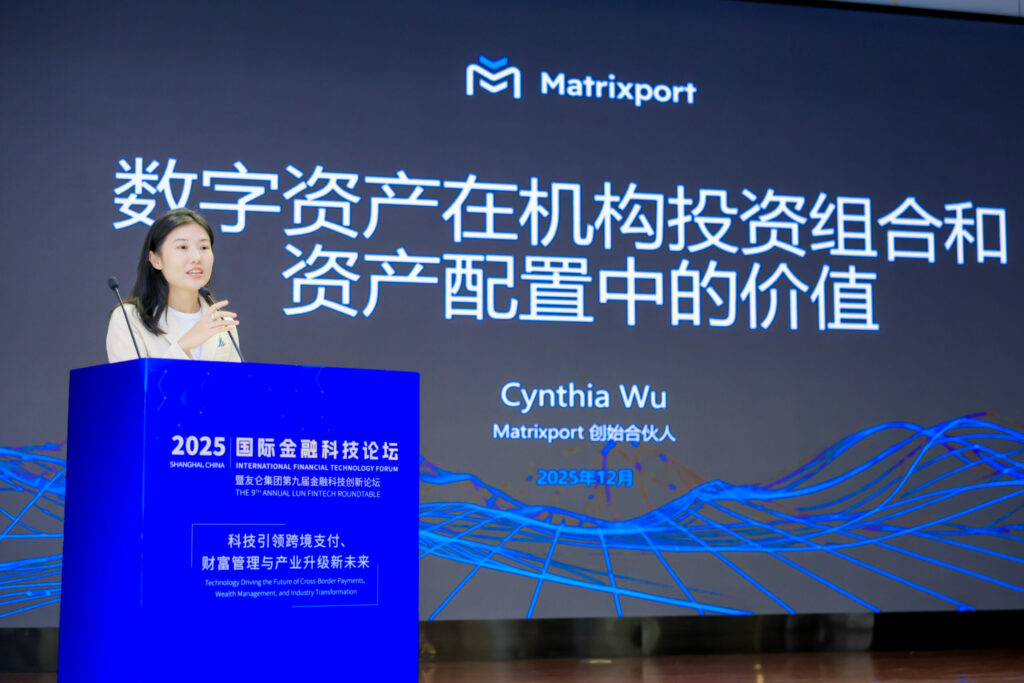
Ms. Cynthia Wu, Founding Partner and Chief Commercial Officer of Matrixport, delivered a keynote on “Integrating Digital Assets into Institutional Portfolios: Custody, Tokenization, and the Future of Asset Allocation”. She noted how digital assets have evolved into a distinct asset class with low-correlation, anti-inflation, and diversity. She stated that with advances in custodial security, asset segregation, market transparency, and prime brokerage frameworks, digital assets are set to become a core component of modern portfolio construction.
The second Roundtable Discussion regarding “New Dynamics of Wealth Management: Bridging Digital Assets and the Real World” was joined by Prof. Charles Chang, Deputy Dean of Academics of Fudan International School of Finance (moderator), Mr. Danver Gang, Managing Director of Mutual Fund Investment Department of Origin Asset Management, Ms. Fanny Gong, Managing Director and Head of Channel Business Department of Finloop, Mr. Jordan Chen, ex-Chairman of Schroder BOCOM Wealth Management, Mr. Kai Zhou, Chairman of Waton Financial Limited, and Mr. Kennix Chan, Deputy CEO of Victory Securities. The roundtable framed its discussion around the digital assets becoming investable and invest-worthy, and the role of AI, infrastructure and regulatory framework in embedding these innovations into current financial system. They concluded that in the future effective “human–AI collaboration,” will reshape investment logic, with human providing strategic judgment and client advisory, while AI supports and enhances the investment decision-making process.

Prof. Huasheng Gao, Professor of Finance and Deputy Dean of Faculty of Research of Fudan International School of Finance, started the third topic Artificial Intelligence with a keynote on “Large Language Models Empower the Upgrading of the Financial Industry”. He noted that LLMs are transforming financial industry by converting unstructured data into analyzable digital form and generating valuable insights across multiple domains. He stated these capabilities are enabling new approaches to risk control and asset pricing, positioning AI technology as a key driver for the next generation financial and industrial innovation.

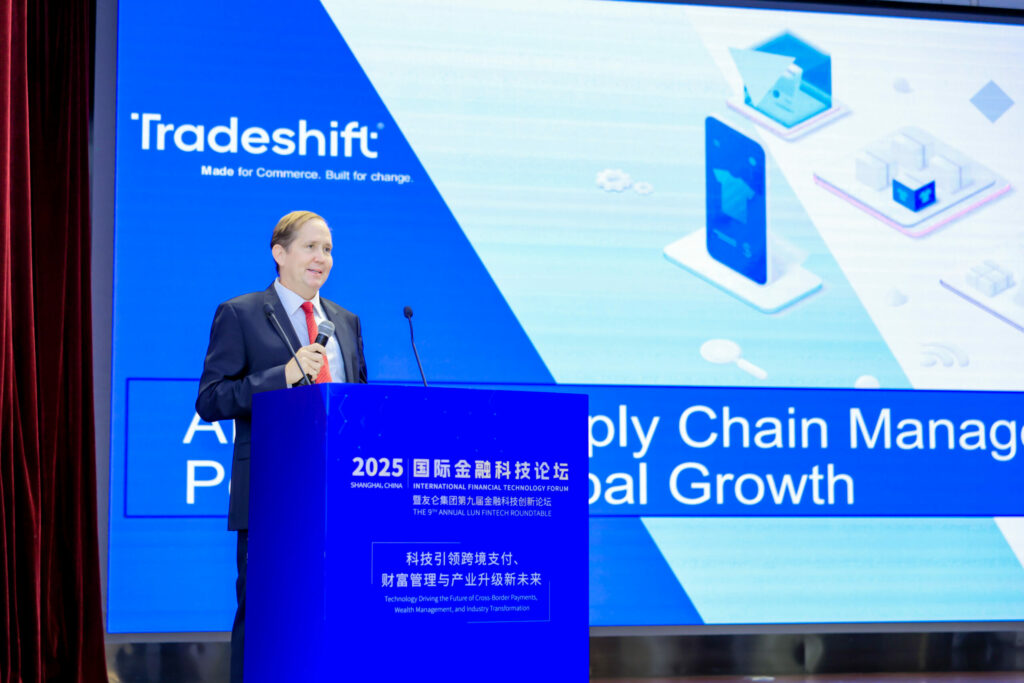
Mr. Mike Cowles, CEO of Tradeshift, delivered a keynote on “Tradeshift: AI-Driven Supply Chain Management Powering Global Growth.” He introduced how Tradeshift, under global supply chain transformation driven by the combined effects of AI, compliance and embedded finance, is leveraging AI and compliance infrastructure to help emerging markets integrate into global trade networks. He concluded that AI will fundamentally reshape supply chain operations and ultimately push global trade toward greater efficiency and transparency.
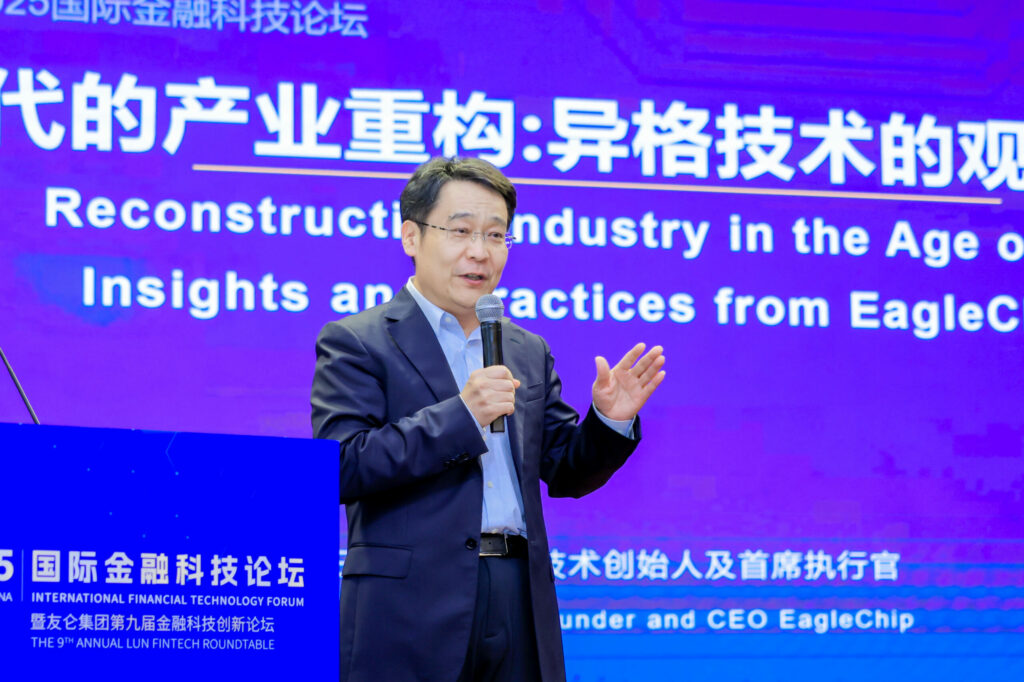
Mr. Jingpo Wang, Founder and CEO of EagleChip, delivered a keynote on “Reconstructing Industry in the Age of AI: Insights and Practices from EagleChip.” He noted that AI is restructuring all industries through algorithms, data, and computing, a transformation that is reshaping decision-making, value creation and production methods. He introduced EagleChip’s FPGA-based AI inference all-in-one machines that provide efficient, low-power, on-premises deployment solutions for finance, healthcare and manufacturing, accelerating industrial intelligence. He highlighted that industrial restructuring is an inevitable trend in the AI era.
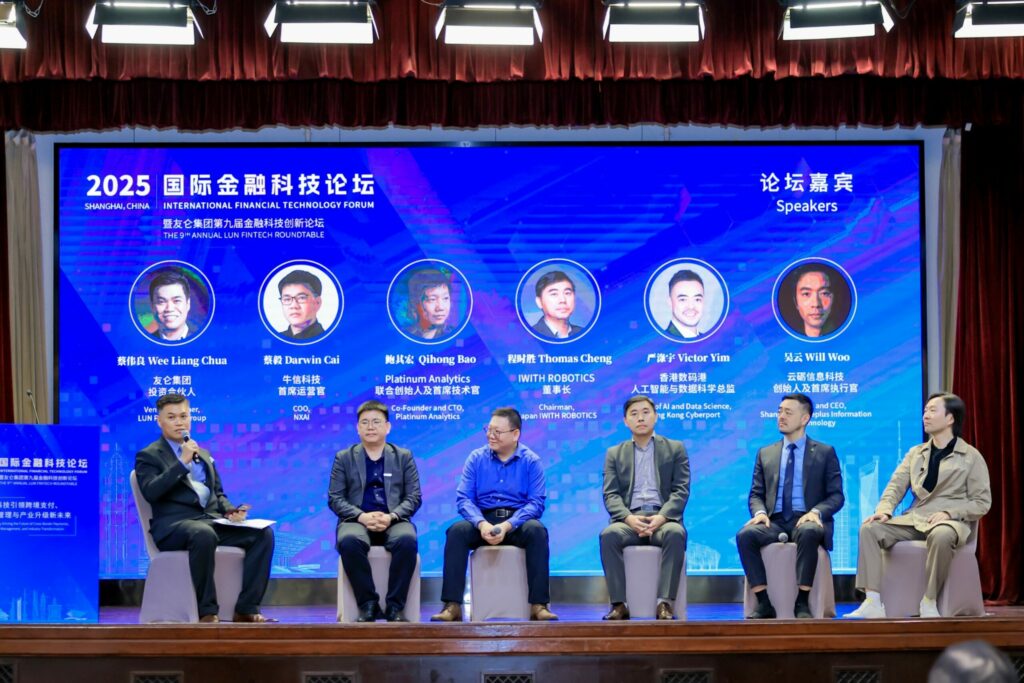
The third and final roundtable discussion on “AI-Powered Enterprises Globalization and Industrial Transformation: Practical Experiences” was hosted by Mr. Wee Liang Chua, Venture Partner of LUN Partners Group (moderator), and joined by Mr. Darwin Cai, COO of NXAI, Mr. Qihong Bao, Co-Founder and CTO of Platinum Analytics, Mr. Thomas Cheng, Chairman of Japan IWITH ROBOTICS, Mr. Victor Yim, Head of AI and Data Science of Hong Kong Cyberport, and Mr. Will Woo, Founder and CEO of Shanghai Xforceplus Information Technology. The panelists discussed cases on applying AI in cross-border data transmission, trading, robotics and enterprise digitalization. They highlighted that AI’s real value lies in its ability to integrate into business workflows and drive growth, productivity and customer value, and that effective AI adoption requires strong digital foundations, process reconfiguration and clear task assignment.
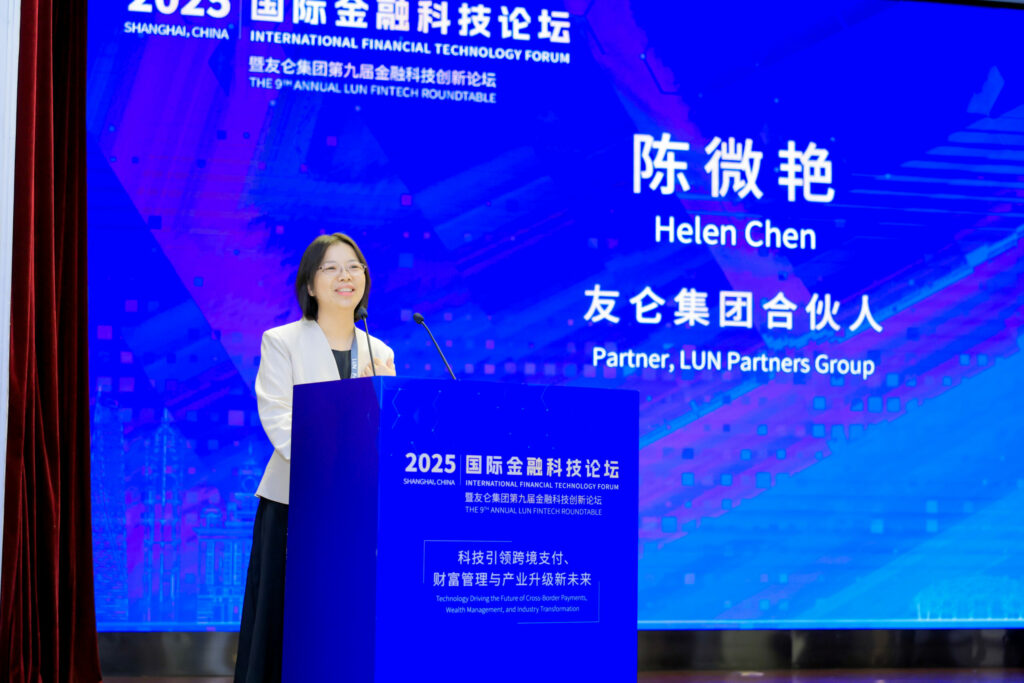
The forum concluded with closing remarks by Ms. Helen Chen, Partner of LUN Partners Group. She echoed on LUN Partners’ persistence in hosting the Forum and consistent endeavor to facilitate collaboration and build global networks. She highlighted the launch of the Global Cross-Border Digital Payments Alliance as one of this year’s most meaningful milestones. Ms. Chen also reflected on the significance of holding the Forum at the century-old Shanghai Science Hall, hoping it would bear witness to LUN and its partners continue embracing new waves of FinTech innovation. Concluding her remarks, she drew on the homophonic link between “九” (nine) and “久” (long-lasting) to wish for a lasting relationship with all the guests.
Throughout a full day of intensive exchanges and thought-provoking discussions, the forum delivered an insightful and engaging program. We would like to express our sincere gratitude to the co-hosts, co-organizers, partners, participating companies and all the guests for their support. We hope you have all gained new insights and meaningful connections, and we will strive for the Forum to continue to serve as a platform that brings together diverse perspectives around the world. Looking ahead to next year’s forum, we look forward to welcoming old friends and new partners alike, to jointly extending this gathering of minds and ideas.